
Most auditors arrive, inspect, write a report, and leave. A week later, the organisation is exactly where it was before the audit. Nothing has changed. The nonconformities get filed, the corrective actions stall, and the same findings reappear twelve months later.
An audit is not an inspection. It is a learning mechanism. The objective is not to catch errors or assign blame, but to expose process weaknesses and build solutions. When the auditor acts as a policeman, operators hide problems. When the auditor acts as a process partner, the organisation actually improves.
I have audited plants across automotive and aerospace supply chains, and I have seen the same pattern everywhere. Companies treat the audit as an event, something to survive once a year. The fix is structural. You must transform the audit into a continuous, risk-based discipline integrated into daily operations.
Why the Annual Compliance Audit Fails
The standard audit programme is fundamentally broken. Companies run an internal audit once a year, brace for an external audit once a year, conduct supplier audits only when forced, and review processes only after a major failure. This reactive model guarantees that problems fester for months before anyone detects them.
An annual audit cycle means your detection lead time for systemic defects is up to twelve months. By the time you find the gap, you have already shipped nonconforming product, accumulated scrap, or lost a customer. The cost of poor quality compounds silently until the next scheduled review.
The alternative is a continuous audit architecture. In one facility, I replaced the annual internal audit with monthly VDA 6.3 process audits, weekly layered Gemba walks, and quarterly supplier reviews. The shift cut problem identification lead time from months to weeks and reduced major nonconformities by roughly two-thirds within the first year.
Indicators of a Continuous Audit Programme
Building a Risk-Based Audit Plan
Most auditors arrive unprepared. They spend the first day figuring out what the process does. A high-value audit begins weeks earlier, with a thorough review of historical data. Before setting foot on the shop floor, you must analyse previous nonconformities, current capability metrics, and customer complaints.
This preparation allows you to target the audit. Instead of asking generic questions about procedure adherence, you focus on the critical interfaces where defects actually originate. In one QMS audit, this data-driven approach uncovered twelve specific process failures that a standard checklist review would have missed entirely.
Risk-based planning means allocating your audit days based on process criticality. A machining centre running at Cpk 1.67 demands less scrutiny than a manual assembly station with high operator variability. You audit the high-risk areas more frequently and more deeply, and you stop wasting resources on stable, low-risk processes.
The output of this planning is a specific audit trail. You arrive with targeted questions about specific failure modes, specific PFMEA risk priorities, and specific control plan requirements. The auditor drives the investigation rather than waiting for the process owner to present a curated tour.
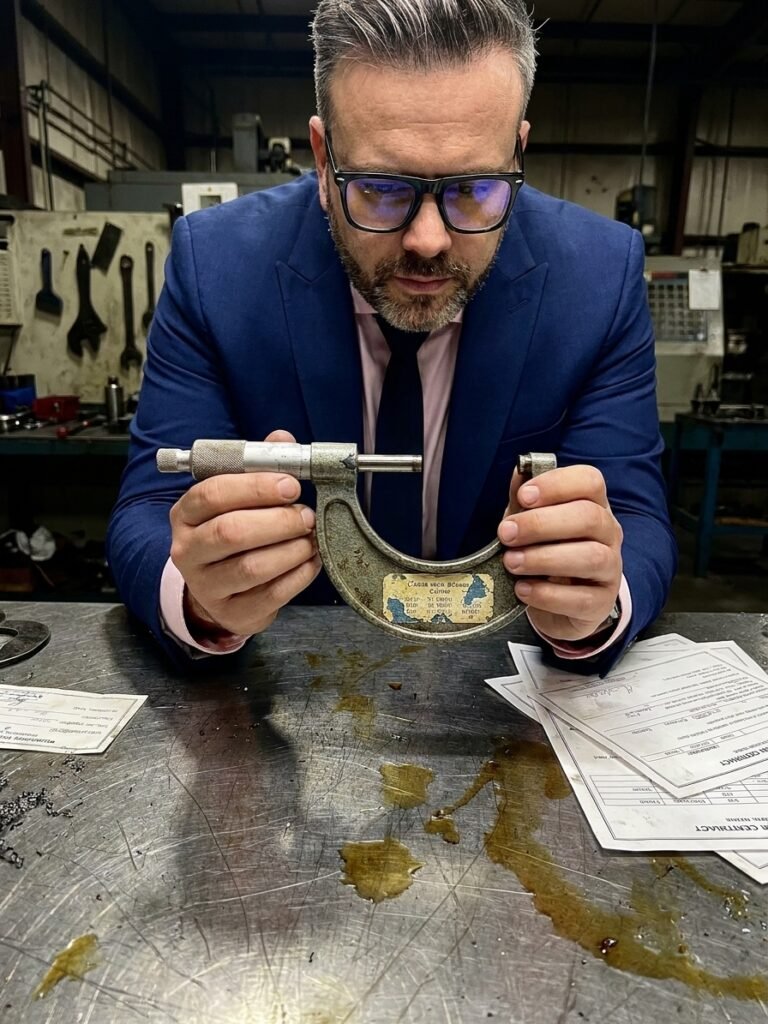
Execution: The Auditor as Process Partner
When an auditor walks onto the floor, the natural human reaction is defensiveness. Operators clam up, supervisors stage-manage the visit, and real problems disappear behind a wall of compliance theatre. You cannot audit a process effectively if the people running it are actively concealing the truth.
The solution is to change the dynamic. I routinely run joint audits where the auditor and the process owner work side by side at the gemba. Instead of sitting in a conference room demanding records, we stand at the production line, observe the actual work, and discuss the constraints in real time.
This collaborative approach changes the output entirely. Findings are no longer handed down from a position of authority. They are identified and agreed upon jointly. Every nonconformity comes with an acknowledged owner, a defined corrective action plan, and a firm deadline before the auditor even leaves the building.
Follow-Up: Closing the Loop
The audit report is not the end of the process. In most organisations, it is the beginning of a long silence. Corrective actions are assigned, deadlines are set, and then nothing happens until the next annual audit reveals the same finding. This cycle destroys the credibility of the entire quality system.
A functional audit programme ends with a verification audit. Thirty days after the agreed corrective actions are implemented, the auditor returns to verify effectiveness. Did the action work? Did it introduce new risks? Is the process now stable, or did the fix merely mask the symptom?
The Continuous Audit Cycle
- 01Data-driven preparationReview past findings, PFMEA, control plans, and live capability data before entering the area.
- 02Collaborative gemba auditConduct the audit at the process with the owner, identifying failures in real time.
- 03Agreed action planDefine specific corrective actions with assigned owners and hard deadlines before leaving the floor.
- 04Effectiveness verificationReturn after 30 days to confirm the action eliminated the root cause without creating new issues.
Internal Versus External Audits
Internal audits are frequently dismissed because the team believes it already knows its own processes. This is precisely why they fail. Internal auditors must apply the same rigour as external registrars, using IATF 16949 or AS9100 standards to benchmark their own processes against objective criteria, not internal comfort.
If your internal audit never finds a major nonconformity, your internal audit is broken.
External audits are usually treated as a trauma to be survived. Companies spend weeks staging documentation and coaching operators on what to say. This is wasted effort. Transparency with external auditors yields better results than presentation. Show them the real gaps and let them help you build the corrective plan.
In one joint external audit, we embedded our quality team with the registrar's auditors for a full week. Instead of a defensive exchange, it became a collaborative analysis. The auditors identified fifteen genuine system gaps, and together we developed twelve actionable improvement opportunities that strengthened the QMS.
The hybrid model works equally well for supplier audits. Use remote reviews for documentation, SOP verification, and record sampling. Reserve on-site visits for physical gemba walks, equipment verification, and first-hand observation of process flow. This cuts travel cost without compromising audit depth.
Overcoming Organisational Resistance
Employees resist audits because they perceive them as a threat to their status, a waste of productive time, or a mechanism for blame. This resistance is the single greatest barrier to audit effectiveness. You cannot improve a process if the people running it are actively working to conceal its flaws.
Compliance Audit vs. Improvement Audit
The compliance approach
- Auditor acts as an inspector policing the floor.
- Findings are generic procedure deviations.
- The report is filed and forgotten.
- Operators hide issues during the audit window.
The improvement approach
- Auditor acts as a partner diagnosing the process.
- Findings target specific systemic failure modes.
- Findings trigger an 8D with mandatory verification.
- Operators actively surface issues for resolution.
The fix is structural. You must train the organisation on the purpose of the audit, involve operators in the audit team, and share results transparently across all shifts. When people see that an audit finding leads to a process improvement that makes their job easier, the resistance collapses.
In one transformation, a structured six-month programme of education, operator involvement, and transparent metric sharing reduced audit resistance by roughly seventy percent. The same programme doubled the rate of voluntary problem reporting from the shop floor, because the audit had been repositioned as a tool for the operators, not a weapon against them.
Implementing the Transformation
Start with a realistic assessment of your current programme. Map your existing audit calendar, identify the processes with the highest historical defect rates, and locate the early adopters on your quality team. Do not attempt to transform every process simultaneously; pilot the new approach on your highest-risk production line first.
Within the first two months, implement risk-based planning and begin continuous monitoring. Train your auditors to conduct gemba-based process audits using VDA 6.3 methodology. By month three, the pilot line should be operating under the new continuous audit model with weekly walks and monthly deep dives.
Expand the programme across all high-risk areas by month six. Implement the thirty-day follow-up verification for all corrective actions. Build a live audit dashboard that tracks action item closure rates and overdue items. The data will tell you where the programme is working and where additional rigour is required.
The financial return is measurable. Organisations that execute this transformation consistently report a reduction in major nonconformities of forty to sixty percent, a doubling of corrective action closure rates, and a significant drop in the time and cost associated with preparing for external audits. The audit stops being a cost centre and becomes a driver of operational efficiency.