A 22:00 phone call from a project manager reporting a blocked production line and an enraged customer is not the moment to invent a response. In my experience directing quality at automotive and aerospace plants, the difference between a contained event and a lost contract is whether a structured escalation framework is already in place before the phone rings. Crisis management is not a corporate luxury; it is a disciplined operational response.
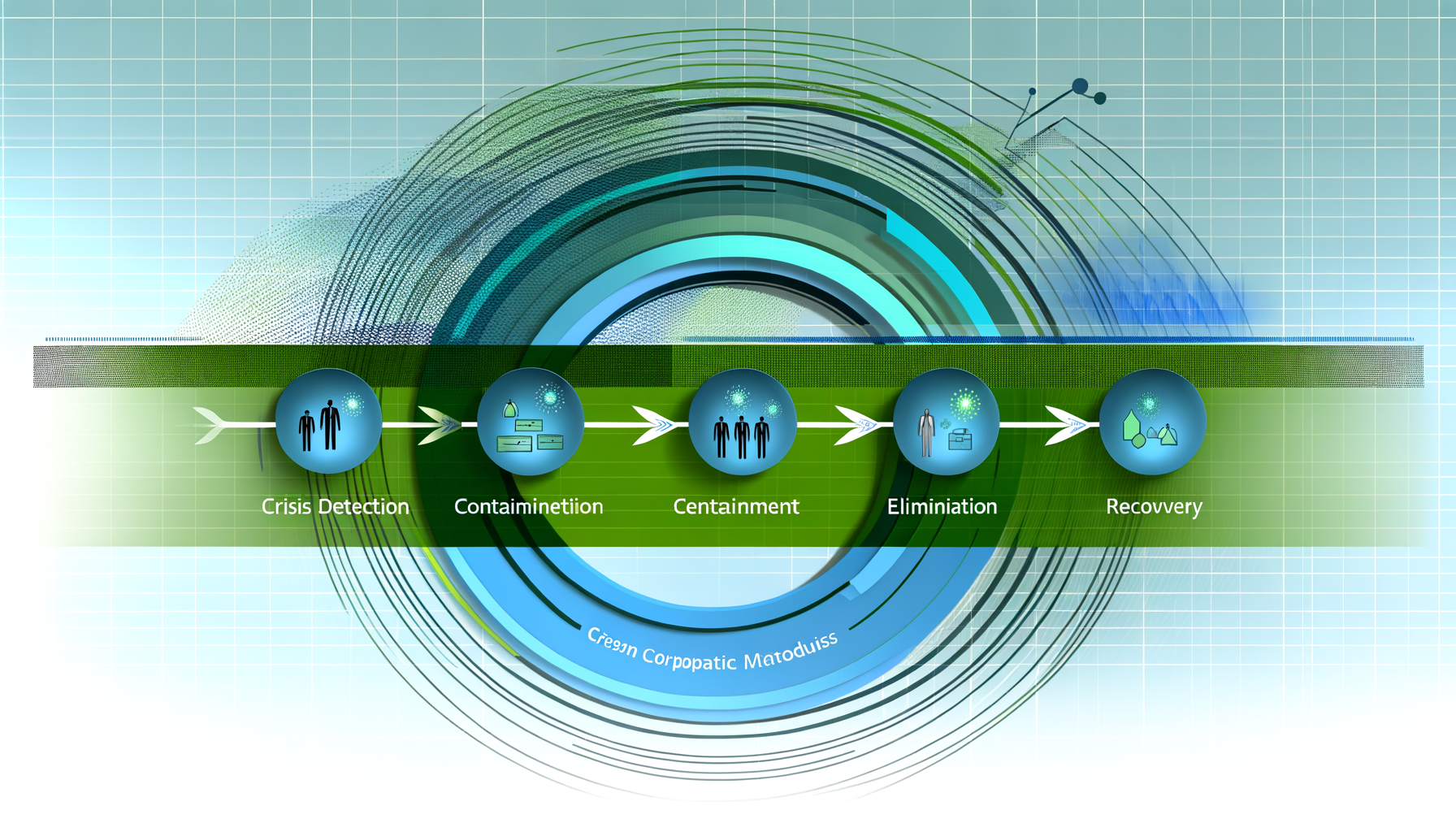
Teams without a plan default to panic. They chase symptoms, send uncoordinated emails, and make承诺 they cannot keep. A structured escalation bypasses this chaos by replacing emotional reactions with predefined phases: detection, containment, elimination, and recovery. Each phase has a specific owner, a defined output, and a clear exit criterion.
The framework applies regardless of the industry or the scale of the failure. A blocked press at an automotive Tier 1 supplier and a delayed aerospace sub-assembly both demand the same operational discipline. You identify the threat, stop the bleeding, find the root cause, and restore the process under controlled conditions.
Detection and Immediate Containment
Detection is the rapid classification of the event. When a line stops or a defect escapes, you must immediately categorise the severity and scope. During a weekend call regarding a blocked manufacturing line at Norgren, the first hour was dedicated purely to defining the boundaries of the failure. We classified it as a Level 1 production crisis with immediate customer impact.
Containment follows immediately. The goal is to stop further damage to the business and the customer. This means physically quarantining suspect inventory, halting the affected production line, and issuing a formal notification to the customer. Transparent communication at this stage is critical. Acknowledge the issue, state what is known, and commit to a timeline for the next update.
I have audited plants that attempted to quietly resolve major failures before notifying the customer, hoping to avoid conflict. The discovery of a hidden defect by the customer always destroys significantly more trust than the defect itself. Immediate, transparent containment, even when the news is bad, is the only acceptable standard.

The First Four Hours: Analysis to Action Plan
Once the line is stopped and the customer is informed, the focus shifts to data gathering and root cause analysis. This is where the 8D problem-solving methodology becomes essential. You assemble the cross-functional crisis team, gather the physical evidence, and map the process flow to identify where the failure occurred.
Within the first four hours of an escalation, the team must move from raw data to a documented action plan. This requires assigning specific tasks with defined owners and deadlines. Vague commitments like 'we are looking into it' are unacceptable. Every action must have a name attached and a completion time.
In the Norgren escalation, by 02:00 we had stabilised the crisis, informed the customer of the containment, and finalised a prioritised action plan. The team was operational, root cause analysis was underway, and the immediate panic had been replaced by structured problem-solving. The schedule was dictated by the framework, not by the stress of the moment.
Elimination and Production Restoration
Elimination requires identifying and verifying the root cause, then implementing corrective actions. For a manufacturing crisis, this often involves adjusting process parameters, replacing faulty tooling, or retraining operators. The objective is to eliminate the specific cause of the failure and safely resume production.
During the first 24 hours of a major escalation, the priority is incremental restoration. Production rarely restarts at 100% capacity immediately. The goal is to verify the corrective action on a limited run, confirm the defect is eliminated, and gradually scale back to full volume while maintaining rigorous inspection protocols.
Customer communication during this phase must be strictly scheduled. Provide updates at fixed intervals, such as every two hours, regardless of whether there is significant progress to report. This regular cadence demonstrates control and prevents the customer from wondering whether the issue is being ignored.
The First 24 Hours of a Crisis Escalation
- 01Hours 0-4: Containment & AnalysisQuarantine stock, notify customer, assemble crisis team, begin root cause analysis.
- 02Hours 4-8: Action Plan FormulationDefine corrective actions, assign owners, and agree on the verification method.
- 03Hours 8-16: Implementation & VerificationImplement fixes, run limited production batches, verify output against specification.
- 04Hours 16-24: Incremental RestorationScale production cautiously, maintain heightened inspection, provide scheduled updates.
Managing Regulatory and Certification Risk
In aerospace manufacturing, a crisis extends beyond the immediate production line to regulatory compliance. When an aviation system is blocked, the escalation must account for EASA or FAA certification requirements. A deviation that might take hours to resolve on an automotive line can take days in aerospace due to the documentation and approval chain.
I have managed escalations at a major aerospace manufacturer where delayed sub-assemblies threatened to impact flight schedules. The containment phase required not only physical fixes but also immediate coordination with certification authorities. Transparent communication with regulators is mandatory. Attempting to bypass the documentation process to save time will result in grounded components and lost production certificates.
The escalation framework must include regulatory notification as a defined step within the containment phase. The crisis team must include a quality engineer authorised to interface directly with the relevant aerospace or automotive regulatory body, ensuring that all corrective actions are compliant before production resumes.
A structured escalation bypasses chaos by replacing emotional reactions with predefined phases.
Recovery and Post-Mortem Analysis
Recovery is the phase where operations return to normal and trust is rebuilt. By the end of the first week, all corrective actions should be fully implemented and verified. The production line should be running at 100% capacity, and the customer relationship should be stabilised through consistent, transparent communication.
A formal post-mortem analysis is mandatory. This is a documented review of the entire crisis, from the initial detection to the final recovery. The objective is to identify what worked, what failed, and how the crisis management plan itself must be updated. Without this step, the organisation remains vulnerable to the same failure mode.
The post-mortem must result in updated standard work, revised PFMEA documentation, and an updated crisis management plan. If the crisis revealed a gap in the team's response capability, training must be scheduled. The recovery phase is not complete until the organisation has systematically learned from the event and hardened its processes against recurrence.
Crisis Response: Ad Hoc vs. Structured
Unstructured Reaction
- Chasing symptoms without isolating the failure boundary.
- Communicating with the customer only when forced.
- Restarting production at full capacity to recover lost volume.
- Closing the issue the moment the line runs again.
Structured Escalation
- Quarantining suspect stock and defining the scope immediately.
- Providing scheduled updates every two hours, regardless of progress.
- Restarting incrementally with heightened inspection protocols.
- Conducting a formal post-mortem and updating the PFMEA.
Building the Pre-Crisis Infrastructure
Crisis management only works if the infrastructure exists before the crisis. A documented plan must define the escalation triggers, the composition of the crisis team, and the communication matrix. When a defect escapes or a line stops, the team must know exactly who to call, what authority they hold, and what the first three actions will be.
The crisis team should be cross-functional, including representatives from quality, engineering, production, and logistics. Each member must understand their specific role during an escalation. Regular simulation exercises, similar to fire drills, are necessary to ensure the team can execute the plan under pressure.
Finally, the tools must be ready. This means having standard 8D templates, quarantine protocols, and customer notification drafts prepared and accessible. When a crisis hits at 22:00 on a Saturday, the team cannot afford to spend time formatting documents. The entire focus must be on containment, root cause, and recovery.