
Every automotive supplier has the same stack of documentation. They hold IATF 16949 certification, maintain exhaustive control plans, and run APQP and PFMEA processes for every new product launch. Yet, a small fraction of these plants consistently achieve industry-leading PPM rates. The differentiator is never the documentation. It is the quality culture.
Over twenty years implementing and auditing quality systems across automotive and aerospace plants, I have seen the same failure mode repeat. A quality engineer writes a perfect standard operating procedure, but the operator on the line bypasses it to hit an aggressive cycle time. The PFMEA is comprehensive, but the root cause analysis stops at the first symptom. A system without culture is just paper in a drawer.
Building a genuine quality culture means shifting the focus from inspection to prevention. It requires moving from a reactive environment where the quality department acts as the police, to a proactive environment where every operator takes ownership. When you engineer this cultural shift correctly, quality happens automatically.
Reactive vs Proactive Quality Cultures
In a reactive culture, quality is strictly a back-end function. The responsibility lies solely with the quality inspectors at the end of the line. Operators view defects as someone else's problem, adopting a mindset where they only report errors if directly caught. The plant ends up repeatedly fixing the same symptoms through expensive rework, driving up scrap costs and frustrating customers.
A proactive culture operates on entirely different mechanics. Quality is built directly into every step of the manufacturing process. Every employee understands their role in defect prevention and feels empowered to stop the line or flag an issue before it escalates. This shifts the focus toward root cause analysis and process improvement, fundamentally lowering the cost of quality.
Reactive vs Proactive Quality Management
Reactive Culture
- Quality is inspection at end of line
- Inspectors own the defect rate
- Errors are hidden until audited
- Focus on managing rework costs
Proactive Culture
- Quality is built into every station
- Operators own the process output
- Issues are flagged before they escalate
- Focus on permanent root cause elimination
Transitioning between these models requires structural changes to how leadership manages failure. If employees are punished for surfacing defects, the culture defaults to reactive cover-ups. If employees are recognised for identifying process failures, the organisation provides the foundation for genuine continuous improvement.
Aligning Operators with System Requirements
A quality management system defines the parameters. The culture dictates whether those parameters are actually followed on the shop floor. You can invest heavily in SPC, MSA, and sophisticated control plans, but if the operator does not understand why a specific torque specification matters, they will find a way to bypass it when management applies production pressure.
Operators must understand the functional consequences of their actions. When an employee on a press line knows that a specific dimensional check prevents a downstream assembly failure at the OEM, the instruction holds weight. Training cannot stop at teaching operators how to read a control plan. It must explain what happens to the final product when that control plan is ignored.
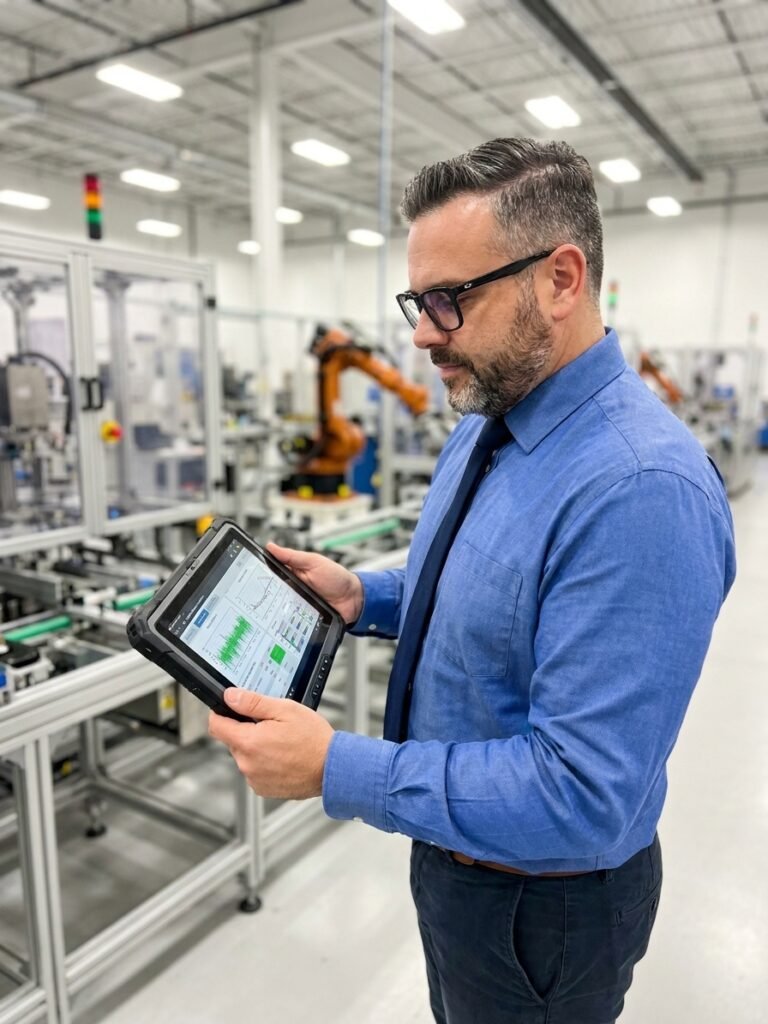
Consider how different plants handle standard work. At WITTE Automotive, maintaining quality across complex assemblies required that standard work was not just a document, but a trained behaviour. We ensured operators were competent in the process, not just compliant with the paperwork. This prevents the common disconnect where operators sign off on instructions they do not actually follow.
Engineering Bottom-Up Continuous Improvement
Top-down improvement initiatives rarely survive contact with the shop floor. When management designs a process change from a conference room, they miss the physical constraints of the machinery. The result is a revised SOP that operators immediately modify out of necessity, creating an undocumented process that immediately fails the next IATF 16949 surveillance audit.
Effective continuous improvement is bottom-up. Operators identify the friction points in their daily work. Engineers and quality professionals act as facilitators, providing the tools and resources to implement the operator's solution. This builds immediate buy-in because the process improvement was generated by the people who actually run the line.
To enable this, management must provide structured mechanisms for capturing front-line ideas. Implement daily quality huddles, create simple digital suggestion systems, and dedicate time during the shift for cross-functional problem-solving. Without dedicated time, continuous improvement becomes an afterthought that gets sacrificed to daily production targets.
The Mechanics of Blame and Root Cause
How a plant handles its first major failure defines its quality trajectory. If the immediate reaction from leadership is to identify and penalise the individual who made the mistake, the organisation's 8D process is fundamentally broken. Operators will hide variation, alter records, and run nonconforming product to protect their jobs.
A proactive culture separates the operator from the defect. When a nonconformance occurs, the assumption is that the process failed the operator. The focus shifts entirely to the 5 Whys and systemic root cause analysis. Did the fixture locate the part correctly? Was the poka-yoke bypassed because cycle times were too aggressive? Was the visual aid ambiguous?
If you punish mistakes, you will never hear about them until the customer opens the box.
During my time building a greenfield QA department at SNOP, establishing psychological safety was the critical first step for a 900+ employee plant. If the team feared retribution, we would never get accurate defect data. We had to systematically train supervisors to ask 'what failed in the process' instead of 'who caused the error' during shift handovers.
Measuring Cultural Change with Leading Indicators
Most plants track quality using lagging indicators like scrap rate, customer PPM, and the cost of external failure. These metrics tell you what happened, but they offer zero insight into what your culture is doing to prevent future problems. To build a proactive culture, you must measure leading indicators of engagement.
Start tracking the volume of operator-initiated improvements. Measure the average time it takes to close an internal 8D report. Track how many process audits result in a proactive containment action rather than a reactive fix. If these numbers are low or stagnant, your culture is reactive, regardless of what your defect rate looks like this month.
Leading Indicators of a Proactive Culture
Shift the balance of your performance reviews. If you only reward production volume and efficiency, quality will always take a back seat. Recognise and promote employees who actively engage in root cause analysis and mistake-proofing. The behaviours you reward become the behaviours your organisation repeats on the next shift.
Leadership Commitment on the Shop Floor
Quality culture requires visible, physical commitment from plant leadership. When delivery targets clash with quality standards, the decision leadership makes in that moment defines the plant's true priority. If management routinely signs off on deviation permits to keep the line running, operators learn that quality documentation is merely a compliance exercise.
At a major aerospace manufacturer, I learned that leadership presence on the shop floor is non-negotiable for maintaining process integrity. We introduced Routing Verification KPIs that cut internal lead times by 97%, but that operational success was entirely dependent on a culture where managers walked the line. They had to verify that the standard work was physically possible and supported by the correct tooling.
Standardise leadership routines. Require shift supervisors to verify first-off inspections. Mandate plant managers to participate in layered process audits. When operators see management actively engaging with control plans and safety checks on the floor, the documentation stops being an administrative burden and becomes the operating standard.
Culture is the mechanism that activates your quality system. IATF 16949 and AS9100 provide the rigorous framework necessary for complex manufacturing, but human behaviour determines the output. Align your training, incentivise leading indicators, and manage failure through root cause rather than blame. The system provides the boundaries, but the people deliver the quality.