
Quality fatigue does not announce itself with a spike in customer complaints or a major audit nonconformance. It surfaces as silence. The operator who used to pull the andon cord when something looked wrong now just adjusts the part and keeps the line moving. The engineer who used to challenge specifications during design reviews now just nods and signs the DFMEA. The quality manager who used to demand rigorous root cause analysis now signs off on corrective actions that address symptoms because fighting the battle one more time feels impossible.
Your people are not resistant, incompetent, or deliberately sabotaging your quality management system. They are exhausted. And if you do not recognise quality fatigue for what it is, and address it with the same analytical rigour you would apply to any process failure, it will quietly dismantle the operational discipline you have built.
I have audited plants that maintain perfect ISO 9001 documentation on the surface while the actual process control has completely eroded underneath. The procedures are current, the training records are complete, and the layered process audit checklists are filed. But the depth of understanding is gone. Experienced auditors can smell this decay. They know immediately when a team is going through the motions rather than driving actual process control.
The Anatomy of Initiative Exhaustion
The average manufacturing plant runs improvement initiatives the way a scattergun fires. Lean transformation. Six Sigma deployment. IATF 16949 certification. Industry 4.0 digitalisation. Total Productive Maintenance. Kaizen events. 5S campaigns. Quality circles. Each initiative arrives with fanfare, training sessions, and enthusiastic leadership videos. Each one demands time, attention, and behavioural change.
Each new initiative is layered on top of the last one. Your operators are no longer just running production. They are maintaining 5S standards, filling out layered process audit checklists, updating SPC control charts, participating in kaizen activities, attending huddle meetings, and completing training modules. The human brain does not have infinite bandwidth for change. Research in organisational psychology shows that people can sustain focus on roughly two to three significant behavioural changes simultaneously.
When you ask operators and engineers to change fifteen things at once, they do not change fifteen things poorly. They stop changing anything at all. They retreat into compliance. They fill out the forms, attend the meetings, and check the boxes, but the operational discipline behind the process drains away completely. Apathy dressed up as compliance is the primary symptom of an overloaded system.
The Improvement-Results Gap
Nothing breeds quality fatigue faster than effort without visible results. A team spends three days in a kaizen event. They map the process, identify waste, redesign the workflow, and implement changes. By Friday afternoon, they present their results to management, who praises their effort. Then Monday comes. The new standardised work is not posted. The materials for the improved layout have not arrived. Maintenance did not get the work order.
Within two weeks, the process has reverted to exactly how it was before the event. The team does not complain. They just stop believing. Multiply this experience across months or years, and you get an organisation that has learned through painful repetition that improvement is theatre. The activity happens, the reports are filed, but the results do not stick.
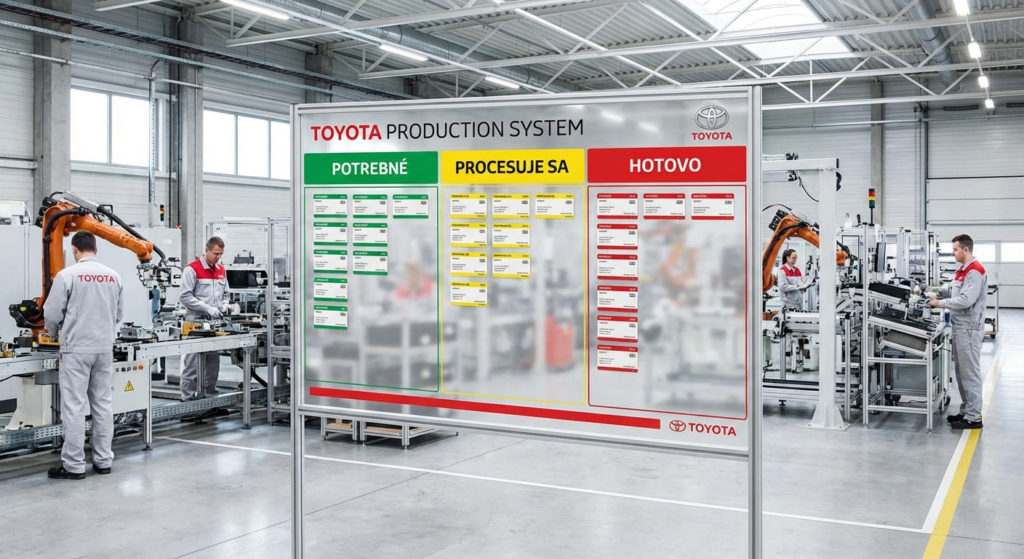
This gap is compounded when measurement becomes an end in itself. Quality dashboards display dozens of KPIs. Monthly management reviews cycle through Pareto charts and Cpk trends that everyone has already seen. The data is collected, reported, and filed. But nobody is acting on it. The red numbers on the dashboard have been red for six months and nothing has changed. When you measure and ignore, you tell your people that the data does not matter, and that their effort to collect it does not matter either.
The Competence-Expectation Mismatch
Many quality improvement initiatives fail because the people expected to execute them were never given the skills to do so. You cannot expect operators to maintain SPC control charts if they do not understand statistical variation. You cannot expect engineers to conduct effective PFMEAs if they have never been trained in systematic risk analysis. You cannot expect supervisors to coach 8D problem-solving if their entire management experience consists of firefighting.
Organisations routinely deploy sophisticated quality tools with surface-level training: a four-hour workshop, a PowerPoint deck, a laminated reference card. Then they express frustration when adoption is shallow. The result is not just poor implementation. It is a profound sense of inadequacy among the people who were supposed to implement.
Superficial Deployment vs. Deep Competence
What teams do under overload
- Deploying fifteen tools across all levels simultaneously
- Collecting dozens of KPIs for the monthly management review
- Running kaizen events that generate reports but no sustained standard work
- Expecting operators to use SPC without grasping statistical variation
What actually drives control
- Mastering two or three tools deeply per role for predictable results
- Selecting three to five metrics that directly link to customer satisfaction
- Closing the loop on improvements before starting the next project
- Training supervisors to lead 8D root cause analysis effectively
They feel like they are failing, even though the organisation set them up to fail. After enough of these experiences, they stop trying new things entirely. Trying and failing publicly is more painful than never trying at all. This withdrawal of effort is rational self-preservation, not resistance.
The Hard Cost of a Fatigued System
Quality fatigue has direct, measurable impacts on operational performance. When your improvement engine stalls, your defect rate stops declining. In competitive automotive and aerospace supply chains, standing still is falling behind. Your competitors who have not fatigued their organisations are still improving their processes and tightening their Cpk targets.
Your best people, the ones who genuinely care about quality and drove the initial improvement, are the first to leave when fatigue sets in. They do not leave because they are tired. They leave because they are disappointed. Replacing them does not replace what they took with them: the institutional knowledge of why a process was designed a certain way, and the informal cross-functional networks that actually make quality systems function.
If leadership treats quality as a project with a completion date, everyone else will too.
When the plant manager declares quality the top priority at the all-hands meeting, then approves weekend overtime to catch up on backlog by skipping final inspection, people notice. When the operations director signs the quality policy but never attends a gemba walk, people notice. The realisation takes hold that quality is a slogan, not a value.
Recovery: Stopping the Bleeding
Recovering from quality fatigue requires a fundamentally different approach than the one that caused it. You do not fix exhaustion by adding more work. You fix it by restoring meaning, deep competence, and trust. The hardest step for improvement-oriented leaders is declaring a moratorium on new initiatives. For ninety days, no new kaizen events, no new digital tools, no new metrics, no new training programs. Your only job during this period is to make the things you have already started actually work.
Audit every active improvement initiative. Ask three questions: Is it producing measurable results that people can see? Do the people executing it have the skills and resources they need? Is leadership visibly supporting it with time and attention, not just words? If the answer to all three is not yes, either fix it or kill it. An initiative that is not working is not neutral. It is actively harmful because it consumes the energy that could go somewhere productive.
Every unfinished improvement project is a broken promise, and broken promises are the currency of fatigue. Go through your improvement backlog: the kaizen newspaper, the 8D corrective action tracker, the management review action items. For each open item, make a deliberate decision. Commit to completing it within thirty days, or formally close it and explain why to the team that raised it.
Rebuilding Focus and Momentum
If you are tracking more than seven quality KPIs at the operational level, you are tracking too many. Select three to five metrics that directly connect to customer satisfaction or operational risk, can be influenced by the people who see them, and change noticeably when improvement actions are taken. Remove everything else from the daily and weekly reporting cadence. When people see a direct line between their actions and a metric that moves, energy returns.
Quality System Recovery Sequence
- 01Initiative MoratoriumStop all new launches for ninety days to break the cycle of overload.
- 02Close Open LoopsFinish or formally cancel pending 8Ds and kaizen actions within thirty days.
- 03Prune MetricsReduce operational dashboards to five KPIs that directly link to customer risk.
- 04Deep Tool TrainingTrain specific roles deeply on core tools like SPC and PFMEA rather than broad brush training.
- 05Consistent VisibilityLeadership must attend the gemba walk weekly, not just the monthly review.
- 06Specific RecognitionCelebrate verified Cpk improvements, not just project launches.
Instead of training everyone on everything, train specific people deeply on the tools most relevant to their role. Operators need to understand variation, read a control chart, and know when to ask for help. They do not need to master DMAIC. Engineers need to be rigorous problem-solvers who can distinguish between true root causes and symptoms. They do not need to be certified lean coaches. Deep competence in a few tools builds confidence, and confidence builds engagement.
Finally, make leadership visible consistently. The plant manager who shows up at the same production meeting every Tuesday morning, asks the same three questions about the quality board, follows up on last week's action items, and thanks the team for their honesty builds trust. Spend less energy on project launches and more energy on celebrating completions. Specific recognition affirms that someone noticed, and being noticed is the most basic form of respect you can show a team that has chosen to invest their energy again.