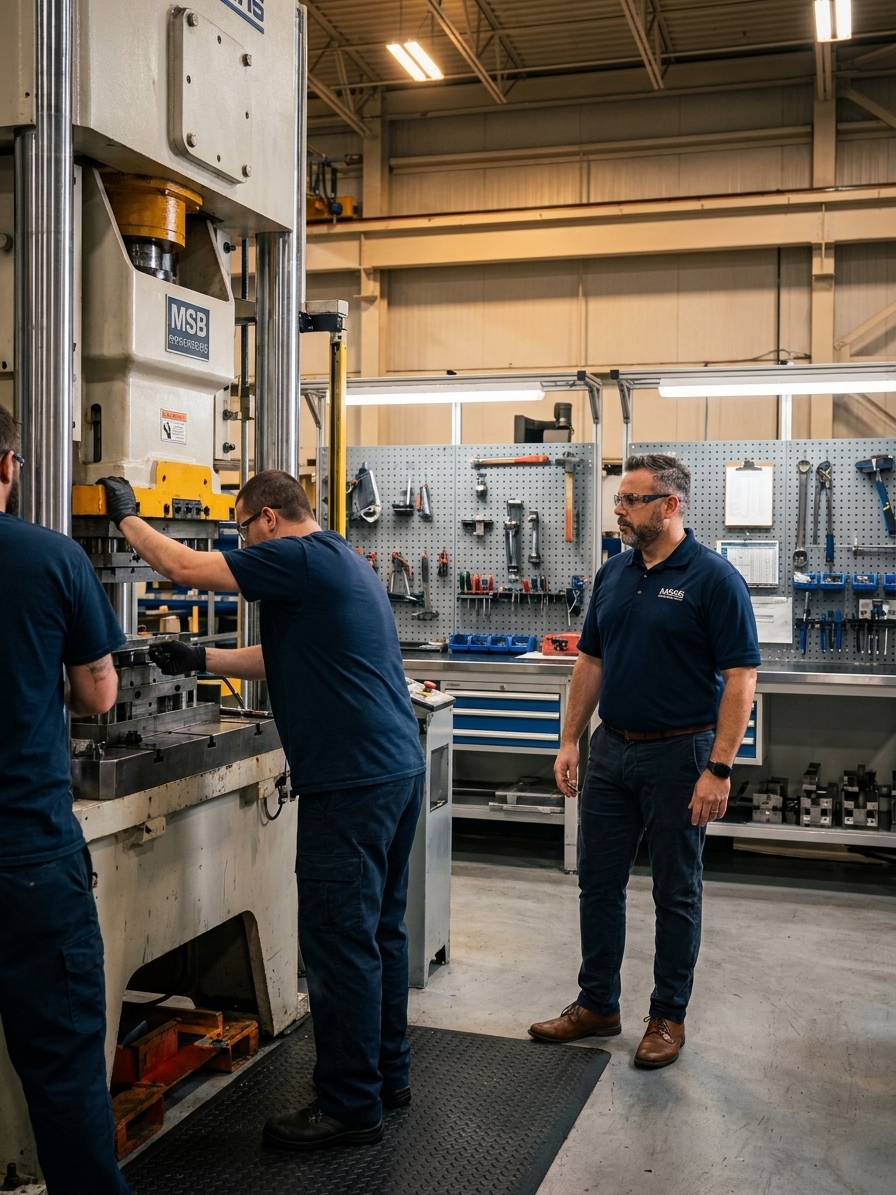
Most manufacturing plants cannot quantify the production hours lost to changeovers each month. Setup time is baked into the master schedule as an immutable constraint. Planners pad lead times, build inventory buffers, and accept the mechanical reality that switching a stamping die or injection mold halts output.
This acceptance is an expensive error. Consider a standard stamping operation running three changeovers per shift. If each setup averages 120 minutes, the plant loses six hours of daily production. That equates to 1,500 lost hours annually per line. Reducing that setup to single digits recovers over 1,300 hours of available capacity.
This capacity recovery requires no capital expenditure on new presses or automation. It demands a rigorous methodology developed by Shigeo Shingo: Single Minute Exchange of Die (SMED). I have implemented this methodology across automotive and aerospace plants, and the results rely on classification and standardization, not stopwatch pressure on operators.
The Mechanics of Internal vs. External Time
SMED hinges on the distinction between internal and external setup. Internal setup encompasses tasks strictly requiring the machine to be stopped: removing the active die, securing the new tool, and executing physical alignment. Every second of internal setup directly halts production and drains OEE.
External setup covers preparatory and finishing tasks. Locating tools, staging raw materials, pre-heating molds, and transporting fixtures constitute external work. Because these tasks do not require machine downtime, they should occur while the current production run is still active.
Shingo's primary observation was that most organizations mismanage this boundary. In unoptimized plants, 60 to 70 percent of the changeover sequence involves external work executed during machine downtime. Operators wait for the line to stop before hunting for wrenches, locating the next die, or running material checks.
Stage One: Separation and Immediate Wins
The first stage of SMED delivers rapid returns by fixing this misclassification. The process requires operators to document every step of the current changeover, rigorously questioning whether each task physically requires a stopped machine. Video analysis is the most effective tool here, eliminating subjective bias between assumed and actual procedures.
Teams classify every documented step as internal or external. The operational question is not about convenience, but mechanical necessity. If a task can physically occur while the machine runs, it is external. Teams then reschedule these external tasks to occur before the line stops or immediately after the restart.
During a recent audit of a packaging line, my team filmed a 45-minute changeover sequence. The video revealed 25 minutes spent retrieving change parts and verifying specifications while the line sat idle. Simply staging materials before the shutdown reduced the internal setup to 20 minutes within one week. No engineering changes were required.
Stage Two: Converting Internal Conditions
Once separation is complete, stage two targets the remaining internal work for conversion. The goal is to modify the process so that necessary physical tasks no longer depend on stationary equipment. This stage requires targeted engineering adjustments rather than mere scheduling shifts.
Thermal management is a primary target. Pre-heating molds on auxiliary heaters removes 20 to 30 minutes of internal machine warm-up. Standardizing die shut heights across a press shop eliminates the need for vertical stroke adjustments. Implementing quick-connect hydraulic and pneumatic fittings replaces time-consuming bolt threading with seconds of engagement.
I advised an automotive injection molding supplier whose changeovers averaged 90 minutes. By moving mold heating to external auxiliary units and standardizing the mounting patterns, they converted 40 minutes of internal alignment and conditioning into external preparation. The internal setup dropped below 30 minutes before any deep mechanical redesign.
The Four Sequential Stages of SMED
- 011. SeparateClassify all current tasks as strictly internal or external. Move external tasks out of the downtime window.
- 022. ConvertRedesign internal tasks so they can be performed off-line, such as pre-heating tools or standardizing shut heights.
- 033. StreamlineEliminate bolts, adjustments, and variations. Apply functional standardization to all remaining internal work.
- 044. EliminatePursue fundamental process changes using numerical control and automated positioning systems for zero-touch setups.
Stage Three: Streamlining Remaining Internal Work
After conversion, plants face genuinely internal tasks that cannot be moved. Stage three focuses on executing these remaining steps with maximum speed and zero adjustment. The primary enemy here is variability. If a die requires manual fine-tuning to sit correctly, that variability generates untraceable setup minutes.
Effective streamlining requires designing the adjustment out of the process entirely. Locating pins, self-centering mechanisms, and machine-stored numerical parameters replace manual operator judgment. Shingo noted that most setup fasteners are excessively long; replacing them with one-turn U-washers or hydraulic clamps slashes internal time.
If your press requires three different wrench sizes for a changeover, you have built unnecessary searching time directly into the process.
Functional standardization is critical. A metal stamping operation documented a die change requiring 47 bolts, four wrench sizes, and two shared specialized tools. Standardizing to a single bolt size and dedicating one tool kit to each press eliminated 12 minutes of walking and searching per setup without altering the mechanical work.
Sustaining the Methodology and Tracking Metrics
SMED implementations fail when organizations treat the methodology as a weekend event rather than a daily system. Buying quick-change clamps without first separating internal and external tasks wastes capital on speeding up work that should not be done during downtime. The sequence is non-negotiable.
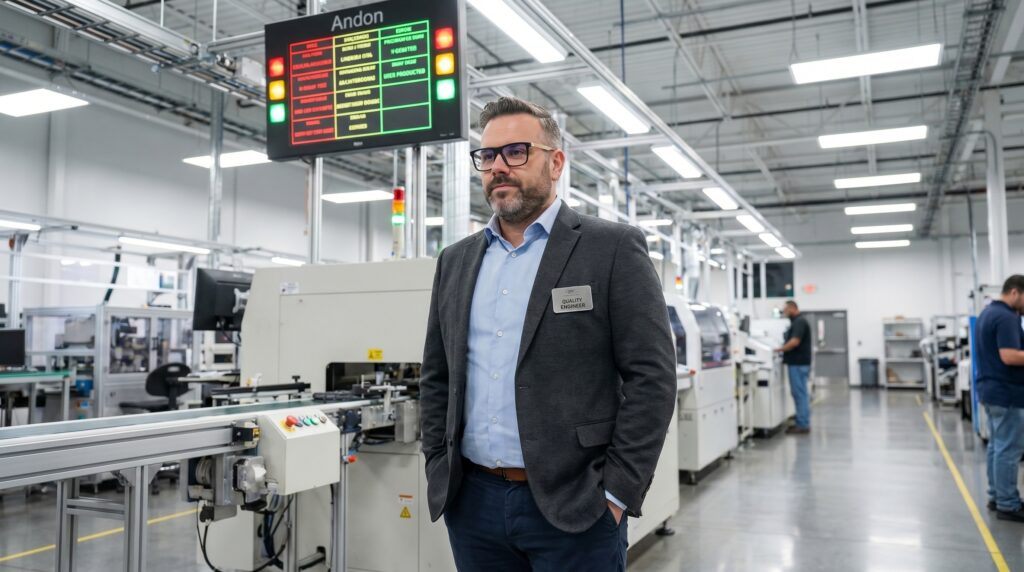
Sustained success requires rigorous operator involvement and metric tracking. The personnel executing the changeover daily hold the deepest knowledge of process delays. Quality professionals facilitate the SMED workshops, but operator ownership drives permanent change. When operators design the standard work, they maintain it.
If your plant does not measure changeover time for every shift, improvements will degrade. A physical whiteboard at each machine, recording start times, end times, and process deviations, provides higher accountability than a delayed software dashboard. I have audited plants that abandoned SMED simply because they stopped tracking the data.
Operational Impact of Single-Digit Changeovers
Building a Rollout Plan for the Plant Floor
Implementation must start small. Select one machine with a changeover frequency of at least twice per week. Avoid your most complex press, but also avoid trivial setups. Choose a line where visible impact will build organizational momentum and prove the methodology to skeptical shift supervisors.
Film the current state process from the last good piece of the previous run to the first good piece of the next. Do not coach the operators beforehand. The camera reveals the reality of the work, exposing hidden delays in tool retrieval, material staging, and communication gaps between shifts.
Review the footage with operators, a quality engineer, and a maintenance technician. Build the list of internal and external tasks, execute Stage 1 separation, and document the new standard work. Track the resulting time on the machine whiteboard, refine the sequence, and repeat the framework on the next line.