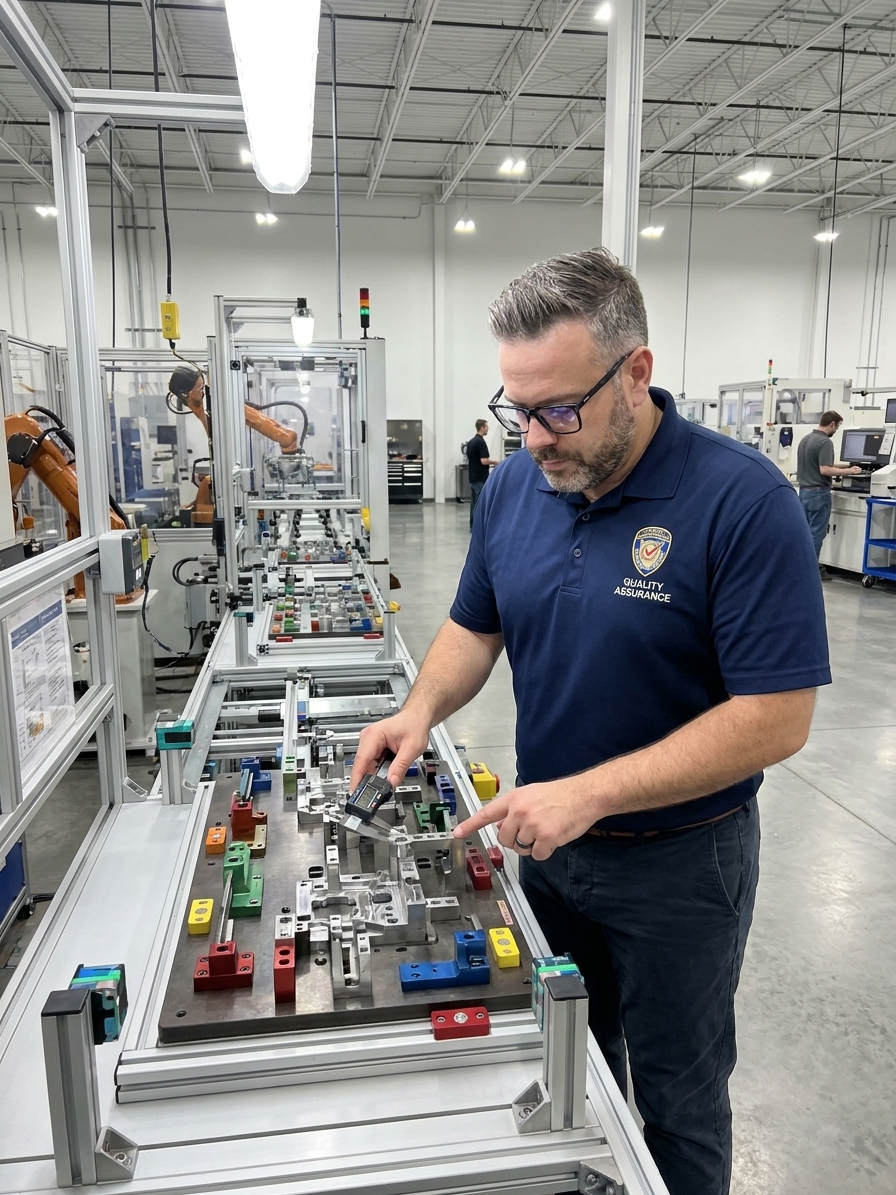
Poka-Yoke as Engineering Principle: Error-Proofing in Modern Manufacturing
Transitioning from 8D corrective actions that blame operators to PFMEA-driven design changes. Implementing prevention and detection poka-yoke devices to eliminate…
Your blog category
887 articles
Transitioning from 8D corrective actions that blame operators to PFMEA-driven design changes. Implementing prevention and detection poka-yoke devices to eliminate…
When seniority overrides data, root cause investigations fail, CAPA backlogs grow, and talent walks. The solution is structural, not cultural.
Why a perfect Cpk and a centred histogram can still result in 40% customer returns — and how to rebuild…
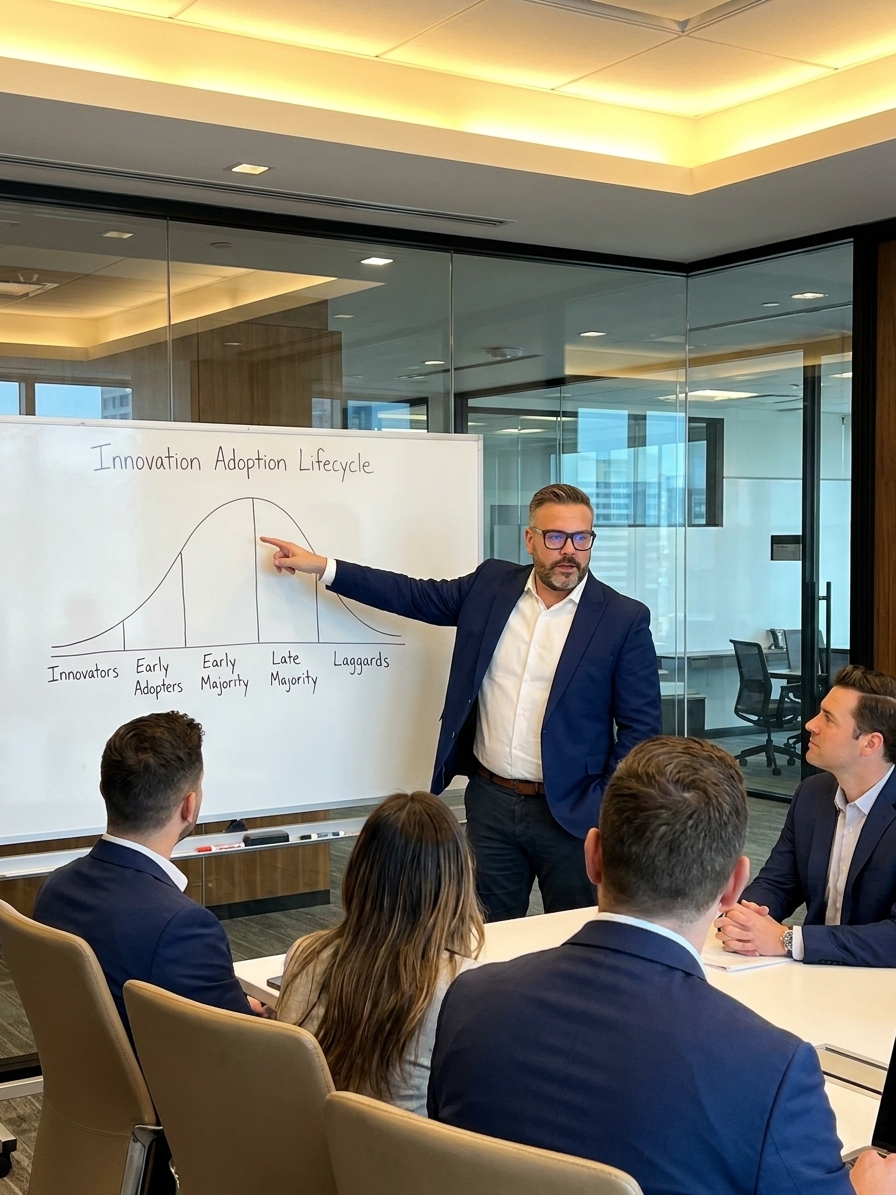
Technical excellence does not guarantee adoption. Applying Everett Rogers' Diffusion of Innovations framework to ISO 9001, SPC, and 8D rollouts…
When organizations rely entirely on QMS software, checklists, and automated workflows, they risk hollowing out the deep process knowledge that…
Why your last successful CAPA might be a statistical illusion, and how statistical process control separates genuine process fixes from…
When effort and outcome become disconnected, organisations don't resist change—they abandon it. Here is how to rebuild the feedback loops…
Why large-scale quality transformation programmes fail, and how the disciplined, daily practice of small operator-driven improvements creates a permanent competitive…
Quality Function Deployment fails when departments treat it as an engineering paperwork exercise. The matrix only works when every function…
Why every quality improvement plan is roughly half the time it actually takes — and how to use reference class…