
Most Layered Process Audit programmes fail not because the methodology is flawed, but because organisations attempt to deploy all layers simultaneously. I have seen plants print checklists for operators, supervisors, and managers on the same Monday morning, expecting a culture of continuous verification to materialise from a memo. What they get is administrative overload, pencil-whipped forms, and a system abandoned within six weeks.
A functional LPA rollout is a sequence, not an event. Each phase has a specific owner, a defined exit criterion, and a gate that must be cleared before the next phase begins. Skipping a step or running them in parallel destroys the ownership chain that makes layered verification effective. The framework originating from AIAG CQI-8 guidelines and IATF 16949 expectations only works if the implementation respects the dependency between layers.
The sequence matters because verification responsibility is distributed across the management hierarchy. Operators check what they control; supervisors verify that the system supports them; managers confirm that the audit itself reflects current risk. If any tier is launched before the tier below it has stabilised, the data collapses into noise.
Phase 1: Risk Scoping and Question Architecture
Before any audit is conducted on the shop floor, the central quality function must define the risk framework. This is the only step that quality engineers own exclusively. They extract the highest-severity failure modes from the PFMEA and map them to specific, measurable parameters on the control plan. The output is not a finished checklist but a set of risk categories that will drive question development for each layer.
The exit criterion for this phase is a documented matrix linking each PFMEA severity rating of 8 or above to a specific control plan parameter. If the quality team cannot point to this traceability, the audit will measure activity rather than risk. I have reviewed LPA systems where 40-question checklists contained three questions tied to actual high-risk parameters; the rest were generic housekeeping items that generated data without generating intelligence.
The gate to Phase 2 is simple: the risk matrix must be reviewed and approved by the plant manager. Without visible leadership sign-off on what the system will verify, every subsequent step loses authority. The operators who will eventually answer these questions need to know that the framework behind them carries leadership weight, not just quality-engineering preference.
Phase 2: Drafting Layer 1 with the Operators Who Run the Process
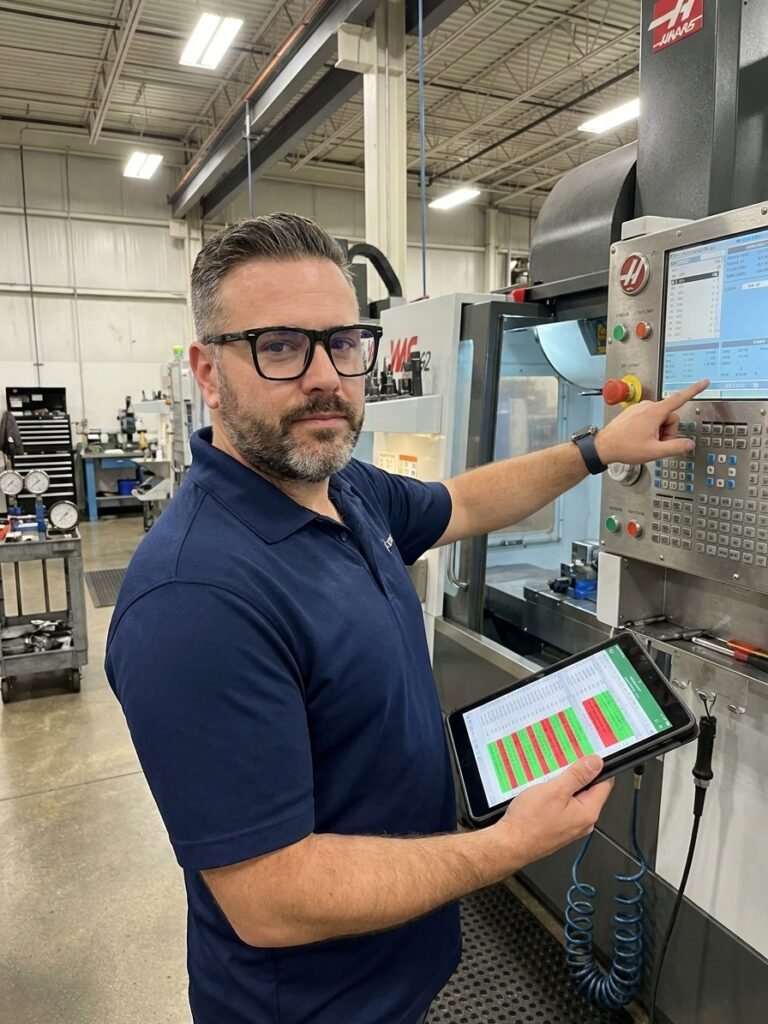
Layer 1 questions cannot be written behind a desk. The quality engineer walks the pilot line with the operators who run it, observes the setup sequence, and asks where the process is fragile. The operators define the specific checks because they know which parameters drift overnight and which tools are consistently misstaged. The engineer ensures the questions are binary and tied to the risk matrix; the operator ensures they reflect reality.
The target is 5 to 10 questions per layer. Each must demand a yes-or-no answer with no room for interpretation. A functional question is: "Is the torque wrench set to 4.2 ± 0.1 Nm and is the calibration sticker valid?" A useless question is: "Is the process running correctly?" The distinction determines whether the system generates actionable data or administrative noise.
The exit criterion for Phase 2 is a seven-day pilot of the Layer 1 checklist on a single shift. Draft the questions, hand them to an operator who has never seen them, and watch them answer. If any question requires clarification or produces different answers from two operators on the same line, the wording is wrong. Refine until the questions are unambiguous across all shifts. Only then do you proceed to containment protocol design.
Phase 3: Building the Escalation and Containment Protocol
An LPA system without a containment protocol is a reporting tool, not a quality safeguard. Before Layer 1 goes live permanently, the organisation must define exactly what happens when a check fails. The sequence must be documented, trained, and tested. If an operator finds a parameter out of specification at shift start, they must know within seconds what to stop, whom to call, and where to quarantine affected material.
The escalation protocol defines maximum response times and ownership at each level. Layer 1 failures require immediate containment by the operator and supervisor notification. Layer 2 verification means the supervisor logs the nonconformity in the digital system within one shift. Repeated failures of the same question within a 90-day window trigger formal root cause analysis through the 8D or CAPA system. Without these thresholds, findings accumulate without resolution.
The gate to full Layer 1 deployment is a documented containment exercise. Deliberately introduce a known deviation during a dry run and measure whether the protocol activates correctly. If the supervisor is not notified within the defined response window, the escalation path is broken. Fix the communication channel before launching the system on a live production line.
LPA Escalation and Containment Sequence
- 01Layer 1 DetectionOperator identifies parameter out of specification during shift-start verification.
- 02Immediate ContainmentProcess stopped, supervisor notified, parts quarantined within minutes.
- 03Layer 2 VerificationSupervisor logs nonconformity and verifies containment effectiveness within one shift.
- 04Systemic ActionRepeated findings within 90 days trigger formal 8D root cause analysis.
- 05Question UpdatePFMEA reviewed and LPA checklist modified to lock in the systemic corrective action.
Phase 4: Activating Layer 2 and the Supervisor Verification Loop
Layer 2 cannot launch until Layer 1 has run for a minimum of 30 days on the pilot line. This is not arbitrary. The supervisor audit verifies system adherence: whether standardised work instructions are accessible, whether control plan documentation is current, and whether Layer 1 findings from the previous shifts were properly contained. If Layer 1 data is unreliable, the supervisor has no foundation to verify.
The supervisor owns the weekly audit and the verification of Layer 1 response times. Their questions target systemic conditions rather than immediate parameters. Where the operator checks whether the correct tool is staged, the supervisor checks whether the tool calibration system itself is functioning. Where the operator verifies material identification, the supervisor verifies that the labelling standard has been updated to reflect the latest engineering change.
The exit criterion for Phase 4 is a 60-day stabilisation period on the pilot line. Track three metrics: Layer 1 compliance rate must exceed 95 percent, critical nonconformity response time must remain under 24 hours, and the recurrence rate of identical findings within a 90-day window must trend toward zero. If any metric fails, the system is not ready for broader rollout.
Phase 5: Management Layer and System Vitality
Layer 3 is the plant manager or value-stream manager, auditing monthly. Their questions assess strategic risk: do the current LPA questions reflect the latest customer complaints? Are recurring trends being escalated to CAPA? Is the question bank static or has it evolved based on defect data? Top management ensures the LPA framework itself remains dynamic.
This layer is the most frequently compromised in implementation. Plant managers delegate their monthly audit to an assistant or a quality engineer. When I have audited plants that allow this delegation, the operators universally dismiss the LPA as a compliance ritual rather than a core operational requirement. The management layer exists to signal that process discipline is a leadership priority, not a delegated task.
If the plant manager delegates their LPA checks to an administrator, the operators will dismiss the system entirely.
The gate to plant-wide rollout is a Layer 3 audit that results in at least one checklist revision. If the questions have not changed after 90 days, the system is dead. A living LPA programme evolves: new failure modes from customer returns get added, resolved issues get removed, and the risk matrix gets updated. Management's job is to enforce this evolution.
Pilot Exit Criteria Before Plant-Wide Rollout
Phase 6: Digital Infrastructure and Data Integration
Digital systems are the final phase, not the first. Organisations frequently purchase an LPA software platform before defining their risk matrix or piloting their questions. The technology then dictates the process rather than enabling it. Digital integration belongs at the end of the sequence, once the manual system is proven and the questions are stable.
The right digital infrastructure provides three capabilities: real-time dashboards that surface failed verifications immediately, automated escalation that notifies the Layer 2 supervisor the moment a Layer 1 check fails, and trend analytics that aggregate thousands of binary data points across quarters. Paper systems cannot deliver any of these. If you cannot pull up 30 days of audit findings on a single screen, your data is siloed and your response is reactive.
IoT integration takes this further. Sensors can automatically verify parameters like temperature, pressure, or cycle time, removing the human element from routine measurement and allowing operators to focus on qualitative factors that machines cannot assess. But technology remains an accelerant. If operators do not believe their findings will be actioned, they will input false data into a digital form as readily as they pencil-whip a paper one.
The final gate is cultural validation. Walk the floor 90 days after digital deployment and ask an operator what happened the last time they flagged a failed check. If the answer is "someone fixed it," the system is working. If the answer is "nothing" or "I stopped reporting because it slows us down," the implementation has failed regardless of what the dashboards show. The tool enables the process; the culture executes it.